
Good old clear up
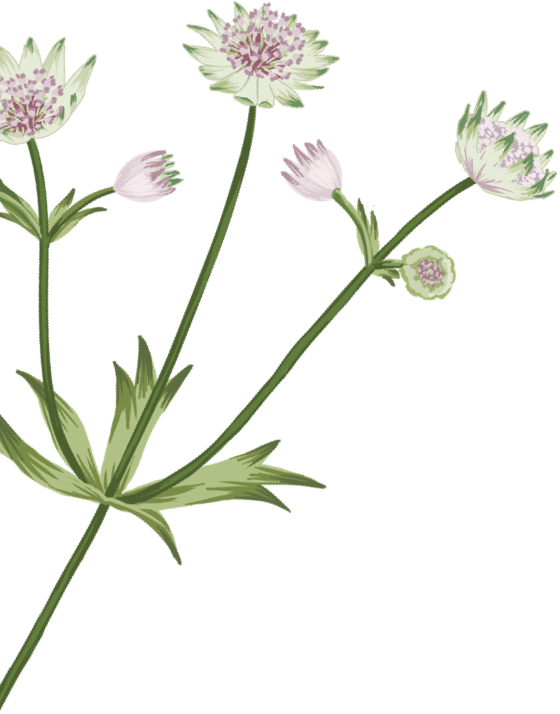
Deadhead flowers like Roses, Dahlias, and Penstemons to prolong their blooming season. Cut back perennials that have faded and died down. Clear out old summer bedding plants from pots and borders. See below though for some local wildlife considerations when clearing in our Gardening for nature section.
Divide perennials
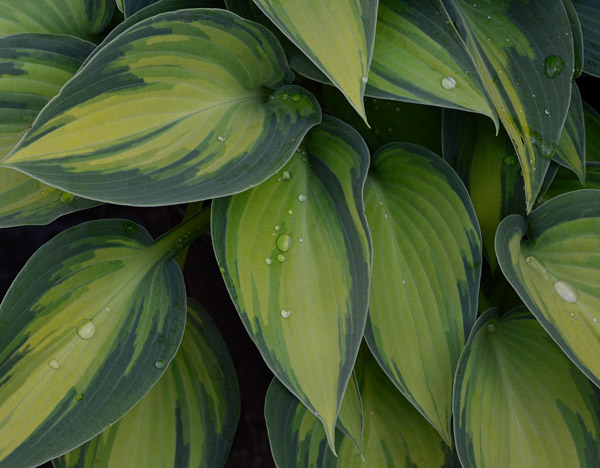
Lift and divide overgrown or tired-looking clumps of perennials like Hostas, Geraniums, and Crocosmias. This rejuvenates the plants and will give you a year on year supply of new ones for free. To divide plants, dig up the root ball and divide using your hands, or a sharp knife or spade. Go gently, but decisively.
Plant a tree
If you’ve you’ve been thinking about adding a young tree to your garden, now is the time to do it! With Planting Season on the way, trees do extremely well when planted at this time of year. The soil is still warm, the air is cooler, and there’s a greatly reduced need to water in vast quantities.
Take cuttings
Propagate your favorite plants by taking cuttings from tender perennials such as Fuchsias, Salvias and Pelargoniums.
Make an pot display ready for autumn
Combine beautiful soft autumnal colours in a pot display using some of the plants that are active at the moment. If you’re not sure where to begin or don’t fancy getting creative, Dig are here to help with our Autumn Colour collection. Remember, if you’re planting up a pot yourself, the golden rule is:
Killer – Strong, central, eye-catching plant
Filler – Bedding plants to pack around the edges and gaps
Spiller – A trailing plant to tumble over the side of the pot to soften the edges

Our Pot Collections are all based on that same Killer, Filler, Spiller principle!
Protect tender plants
Bring any tender pot plants indoors or into a greenhouse before the first frost hits. Tender plants that are planted in the ground, might benefit from protection in situ – really just to protect them from the first frost. If you’re unsure which plants are ‘tender’ just drop us a line at hello@digclub.co.uk – you still have plenty of time to identify and plan, but it’s good to think about now.
Gardening for nature
Plant spring bulbs
Planting spring bulbs in autumn is a dual-benefit job. Beautiful flowers to look forward too after the harshness of winter has faded, and an early supply of sustenance for pollinators. It’s worth thinking about what types of bulbs you’d like now, to get them ordered and planted in time.
Create hibernation habitats
With winter approaching, many animals and insects will hibernate over the colder months. A log or leaf pile, or, if you’d like something more permanent, a hedgehog house, will help provide a variety of habitats for all manner of local wildlife.
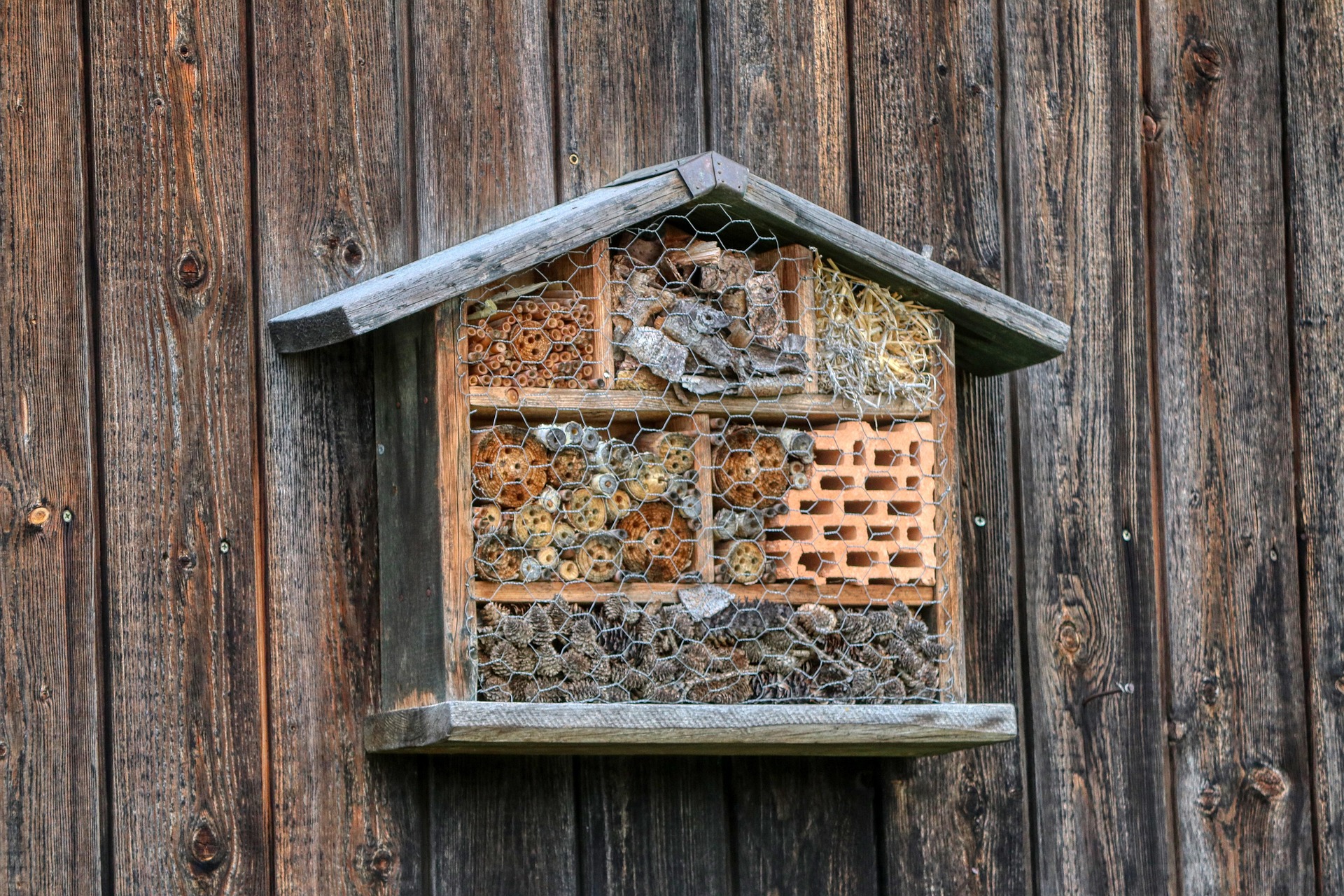

A bee or insect hotel works best when there are a variety of habitats within it.
Food and water
Providing food and water is really important at this time of year. Birds will be stocking up for the cooler months, hibernators will be building up their reserves before the big sleep, and many animals remain active over the winter when food and water is really necessary – so it’s a good habit to get into providing it now.
Don’t be too tidy
Despite our advice above to clear debris and dead plants, don’t be tempted to remove everything. Leaving the odd (or even all) seed heads will do marvels for so many different garden visitors from birds to insects. Leave a few patches of longer grass, leave the odd pile of fallen leaves behind. All of these things that would naturally occur in the wild, are often magnetic for garden-visiting fauna.